Serving Dubuque, IA and surrounding areas. (563) 291-2852
Dubuque Concrete Company serves Madison, WI with stamped concrete patios, driveway building, and foundation work - written estimates before work starts, permits handled on your behalf. We have served Wisconsin homeowners with insured concrete crews and understand what Madison winters do to concrete.
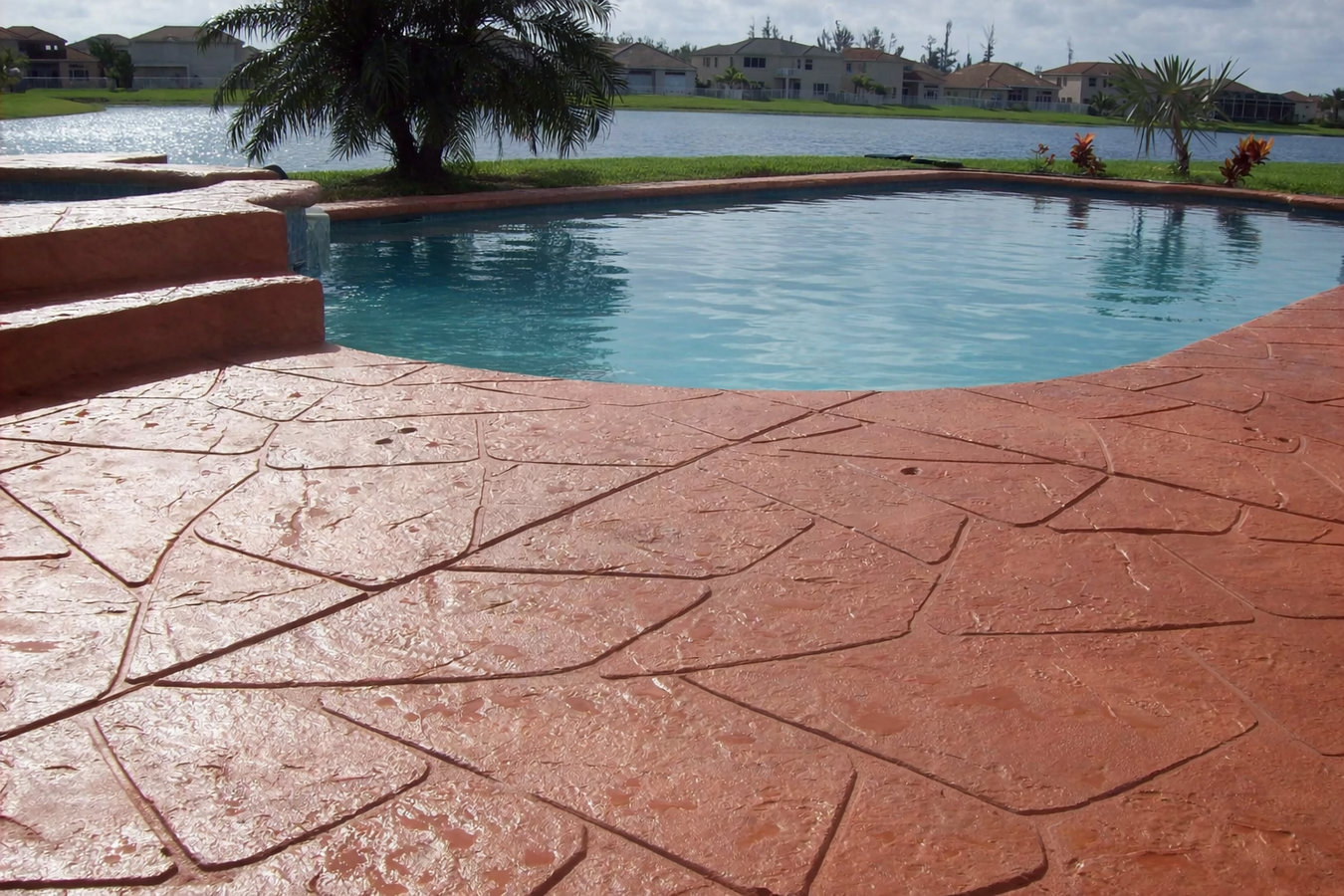
Madison homeowners investing in outdoor living spaces - especially on the isthmus and in established west-side neighborhoods where home values are high - often want something that looks more finished than plain gray concrete. Our stamped concrete services give you the look of slate, stone, or brick at a fraction of the material cost, with a one-piece surface that handles Wisconsin freeze-thaw cycles better than individual pavers that shift over time.
A large share of Madison homes were built in the postwar decades when outdoor living space was not a priority. Ranch homes on the west side and bungalows on the isthmus often have backyards that are functional but unfinished. A concrete patio poured with proper drainage slope handles Madison's clay soil and wet springs without the pooling problems that poorly graded slabs create near lake-adjacent properties.
Madison has a large stock of homes built between the 1940s and 1970s, and many of those original driveways have been through 50 or more Wisconsin winters. Surface scaling from road salt, heaving from deep frost, and crumbling edges are the most common signs that a driveway has reached the end of its useful life. Replacement driveways need a base compacted to handle frost depths that reach 48 inches in hard winters.
The varied terrain across Madison - from the flat isthmus to sloped lots on the north and west sides - creates grade changes that need permanent solutions. Madison's clay soil holds water behind walls that were not built with proper drainage, which is a common cause of retaining wall failure after wet springs. Concrete retaining walls installed with gravel backfill and drainage openings outlast timber and block walls in this climate by decades.
Madison's older neighborhoods near the Capitol and the isthmus have sidewalks that have been through freeze-thaw cycles for 80 to 100 years in some cases. The city does maintain a sidewalk repair notification process, and homeowners who receive notices from the City of Madison need to act within the required timeframe. Replacement sidewalks built with adequate gravel base and proper joint placement resist the heaving that makes older walks so problematic.
Madison's clay-heavy glacial soils put consistent lateral pressure on foundation walls, especially in neighborhoods near the lakes where groundwater levels are higher. Homes built in the 1950s through 1970s on the west side often have block foundations that were never designed to the drainage standards appropriate for this area. New and replacement foundations need footings set below Wisconsin's frost line - which can reach 48 inches - to stay put through the annual freeze-thaw cycle.
Madison is built on a narrow isthmus between Lake Mendota and Lake Monona, and that geography shapes everything about how water behaves on residential lots in this city. The glacially deposited soils across much of Madison have a significant clay content - clay holds water instead of draining it away, and that creates steady hydrostatic pressure against foundation walls and under concrete slabs after every wet spring. About half of Madison homes were built before 1979, which means a lot of the concrete around them was poured before modern frost-depth and drainage standards were widely followed. Wisconsin frost depths can reach 48 inches in hard winters, and any concrete slab without a properly compacted base underneath is going to feel that every year.
Freeze-thaw cycles are the day-to-day enemy of concrete in Madison. Temperatures swing above and below freezing repeatedly in March, April, October, and November - sometimes dozens of times in a single season. Water gets into small surface cracks, freezes, expands, and makes those cracks bigger. Road salt tracked onto driveways and walks from Madison streets speeds up the surface breakdown. The combination of clay soil, deep frost, and repeated freeze-thaw cycles means concrete in Madison needs to be built specifically for these conditions - the right base depth, the right joint placement, and a sealer maintained on a real schedule - or it will not last.
We pull permits through the City of Madison Building Inspection division for driveways, foundation work, and retaining walls that require city approval. The University of Wisconsin-Madison has a significant presence in the city, and the neighborhoods between campus and downtown have a high concentration of older rental duplexes and triplexes that often need flatwork and foundation attention that has been deferred for years.
Madison is Wisconsin's second-largest city at around 270,000 people, and the variety of properties here reflects the city's distinct neighborhoods. The isthmus - the narrow strip between Lake Mendota to the north and Lake Monona to the south - has some of Madison's oldest and most architecturally varied homes, including Victorian two-stories and Craftsman bungalows in neighborhoods like Marquette and Tenney-Lapham. Moving west, the postwar ranch homes on the west side near the beltline have larger lots and attached garages with concrete driveways from the 1950s and 1960s. Newer subdivisions on the outer west and north sides have homes from the 1990s onward. From the neighborhoods near the Wisconsin State Capitol to the subdivisions past the beltline, we work on all of them.
We also serve homeowners in Janesville, about 50 miles south of Madison, where similar Wisconsin winters create the same freeze-thaw demands on concrete. Our crews understand what Wisconsin homes are up against, whether the project is in Madison or anywhere else in our service area.
Reach out by phone or through the contact form. Our team follows up within one business day to get basic project details and schedule your on-site estimate. No automated responses, no lengthy online questionnaires.
We visit your Madison property, assess the existing surface, drainage conditions, and soil, and provide a written estimate covering every part of the job. Madison's mix of isthmus lots, hillside properties, and newer subdivisions means site conditions vary - we do not quote accurately over the phone.
We handle the City of Madison permit process for all covered work. You get a confirmed start date with a realistic project window that accounts for Wisconsin spring weather and cure-time requirements. No surprises on timing.
Our crew completes the project and walks the finished work with you before leaving. All debris is hauled away, permit and inspection documents are provided, and any questions you have are answered before we pack up.
We respond within one business day to every inquiry from Madison homeowners. Call or use the form and someone from our team gets back to you directly - no automated replies.
(563) 291-2852Madison is the capital of Wisconsin and home to about 270,000 residents, making it the state's second-largest city. It sits on a narrow isthmus between Lake Mendota to the north and Lake Monona to the south - a geography that makes the city immediately recognizable and gives nearly every neighborhood a connection to water. State Street runs from the Wisconsin State Capitol down to the University of Wisconsin-Madison campus, forming the spine of the city's commercial and social life. The presence of UW-Madison, one of the largest universities in the country with over 47,000 students, means a significant share of housing near campus is rental property. As an owner-occupied homeowner in Madison, the right contractor focuses on long-term quality rather than quick turnaround.
The city's housing stock ranges widely by neighborhood. The isthmus holds some of Madison's oldest homes - Victorian two-stories and Craftsman bungalows in Marquette, Tenney-Lapham, and the blocks near the Capitol, many with original masonry and full basements. Moving west, large numbers of single-story ranch homes built in the 1950s through 1970s fill the West Side, with attached garages and concrete driveways that are now well past their designed service life. Newer subdivisions on the outer west and north sides bring a different set of needs. Madison is about 175 miles west of Janesville and we serve homeowners throughout southern and central Wisconsin.
Durable concrete driveways designed for lasting performance and curb appeal.
Learn moreDecorative stamped finishes that mimic stone, brick, or tile at a fraction of the cost.
Learn moreSafe, level concrete sidewalks for residential and commercial properties.
Learn moreSmooth, reinforced garage floor slabs built to handle heavy loads and daily use.
Learn moreArtistic concrete finishes that add beauty and character to any surface.
Learn moreStructural concrete retaining walls that control erosion and grade changes.
Learn moreProfessional interior concrete floor pours for homes, shops, and warehouses.
Learn moreSolid concrete steps and stoops built to code for safe entry and exit.
Learn moreEngineered concrete slab foundations for new construction projects.
Learn moreComplete foundation installation services for residential and commercial builds.
Learn moreHeavy-duty concrete parking lots built for high traffic and long-term use.
Learn moreFoundation raising and leveling services to correct settling and structural issues.
Learn morePrecise concrete cutting for repairs, modifications, and new utility access.
Learn moreWhether your home is on the isthmus near Lake Mendota, on the west side near the beltline, or in one of the newer subdivisions, we serve all of Madison with written estimates and concrete built for Wisconsin winters.