Serving Dubuque, IA and surrounding areas. (563) 291-2852
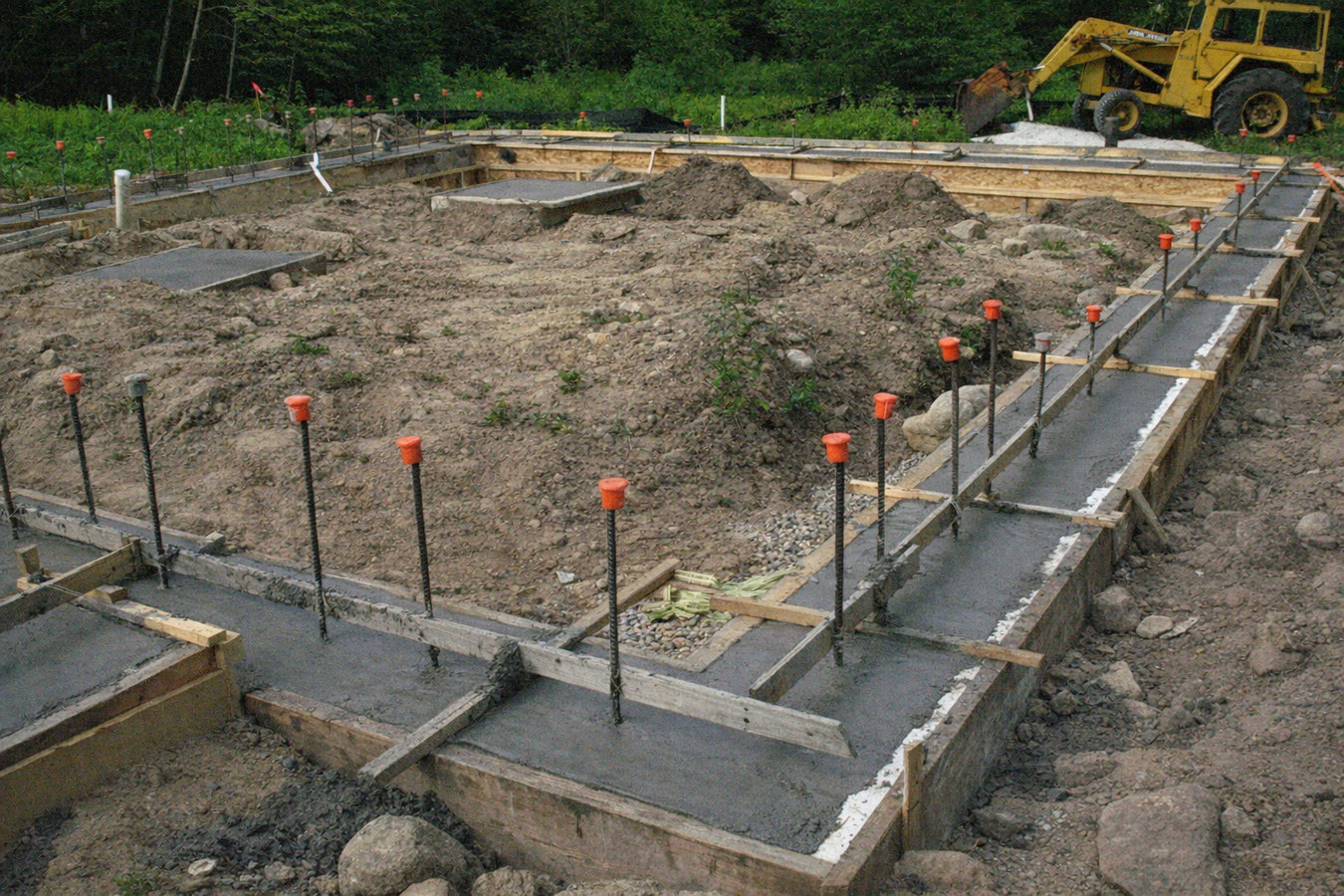
A deck, porch, or addition is only as solid as the footings underneath it. In Dubuque, that means digging past the frost line - 42 to 48 inches - or your structure will move with every freeze and thaw.
Concrete footings in Dubuque are the poured concrete pads buried underground that hold up whatever sits above them - deck posts, porch columns, addition walls, or garage foundations - and they must be dug at least 42 to 48 inches deep to sit below the frost line, with most residential jobs taking one to three days of active work.
If a footing sits above the frost line, the frozen ground can push it upward each winter and let it settle in a slightly different position each spring. Over a few seasons, that movement tilts posts, warps floors, and opens cracks in walls. Concrete footings work is the kind of job that disappears once it is done - you cannot see it - which is exactly why getting it right matters more, not less.
For larger structural work on your property, our foundation installation service handles full new foundation projects, including additions and new builds where footings alone are not enough.
If your deck posts are no longer perfectly vertical - or if you can see a gap between a post base and the ground - the footings underneath may have shifted. In Dubuque, this is often caused by frost heave pushing shallow footings upward during a hard winter and not fully settling back when it thaws. This is called frost heave, and it is a sign the footings were not deep enough to begin with.
Walk across your deck or porch and pay attention to whether it feels level. A floor that tilts toward one corner or sags in the middle is often a sign that one or more footings have settled unevenly. In Dubuque's clay-heavy soil, this kind of settling can happen gradually over several years - easy to miss until the slope becomes obvious.
Cracks in concrete near the base of your home - especially ones that are widening over time - can indicate that the footing beneath has shifted or settled. Dubuque's freeze-thaw cycles put repeated stress on concrete near the surface, and what starts as a hairline crack can become a structural issue if the footing underneath is compromised.
Any new structure attached to your home or carrying significant weight needs proper footings before construction begins. This is not a sign of a problem - it is the first step. Skipping or undersizing footings to save money upfront is one of the most expensive mistakes homeowners make, because fixing bad footings after the fact means tearing out finished work.
We handle the complete footing process - site assessment, permit application, digging to the required frost depth, setting forms and anchor hardware, coordinating the pre-pour city inspection, and pouring and finishing the concrete. For new decks and porches, we set anchor bolts or post bases directly in the wet concrete so your framing crew has a clean, properly positioned starting point. If your project is an addition or involves full foundation work, our foundation installation service covers that scope, and our foundation raising work addresses situations where an existing foundation has settled and needs to be lifted.
Soil conditions in Dubuque vary significantly - parts of the city sit on clay-heavy ground that expands when wet and contracts when dry, while other areas have limestone bedrock close to the surface. We assess what is actually under your site before finalizing footing size and depth, so there are no surprises mid-project.
The right choice for homeowners building a new deck, replacing a leaning one, or adding a covered porch.
For homeowners adding a room, garage, or any structure attached to the main home that needs structural support.
Replaces existing footings that have shifted, cracked, or do not meet current depth requirements.
For sheds, workshops, and detached garages that need a stable, frost-resistant base.
Dubuque sits in a climate zone where the ground can freeze to a depth of around 42 to 48 inches in a hard winter. That is significantly deeper than the frost line in warmer states, and it directly affects how long the job takes and what it costs - more digging, more concrete, more labor. A footing that might be fine in Tennessee is a footing waiting to fail in Dubuque. When you compare quotes, make sure each contractor is accounting for the full required depth - not a shallower number that looks better on paper.
Dubuque is also famously hilly, with many homes built on slopes along the Mississippi River bluffs. Sloped lots make footing work more complicated - forms have to be carefully leveled, soil stability varies on hillsides, and equipment access can be limited. We work with homeowners across Dubuque, IA and surrounding communities including Cedar Rapids, IA, and hillside work is something we have handled on properties throughout the region.
We ask about what you are building and schedule a visit to see your property in person. A price quoted without seeing your lot - especially in Dubuque where terrain and soil vary so much - is not a reliable number. You receive a written estimate before we start.
We handle the City of Dubuque building permit for you - this is a standard part of the job, not an extra step. The permit typically takes a few days to a couple of weeks to process. Once it is approved, we confirm your start date.
In Dubuque, that means going down at least 42 to 48 inches. Depending on your yard and the number of footings, this is done by hand or with a power auger. The city inspector visits before the pour to verify the depth - you do not need to coordinate that visit yourself.
Once the inspection clears, we pour the concrete and set any anchor bolts or post bases into the wet concrete. After the pour, we give you a curing timeline - typically at least a week before light framing begins. The site is cleaned up before we leave.
We respond within 1 business day. There is no obligation - just a clear answer about what your project needs and what it will cost. After you submit, someone from our office will call to schedule a free on-site estimate.
(563) 291-2852Dubuque's frost line is not a suggestion. We dig to the depth this climate actually requires, so your structure stays level after the first hard winter and the ones after it. Contractors who cut corners on depth are setting you up for costly repairs in a few years.
We apply for the City of Dubuque building permit and coordinate the required pre-pour inspection as part of every footing job. That independent inspection protects you - it confirms depth and placement while there is still time to correct anything before the concrete goes in.
A lot of Dubuque homes sit on terrain that makes contractors hesitant - steep grades, bluff-adjacent lots, limited equipment access. We have worked on these properties throughout the city and know how to get footings right when the ground does not cooperate. The University of Minnesota Extension publishes guidance on frost depth and footings that reflects the challenges of this climate.
When you reach out, someone from our office follows up within one business day. We know permit timelines and weather windows are real pressures in Dubuque - we do not let your project sit waiting for a callback.
Footing work disappears the moment it is done - you cannot see it, which is exactly why the inspection step and the permit process matter so much. The City of Dubuque Building Services requires an inspection before the pour for most structural footing work, and we coordinate that as part of every job so you have an independent record that it was done to code.
Lift and stabilize a settling foundation before the problem worsens - serving homes across Dubuque and the surrounding region.
Learn moreFull new foundation work for additions, new builds, and replacement projects throughout Dubuque.
Learn moreSpring permit slots and schedule openings fill up fast - reach out now so your deck or addition project is ready to move when the ground thaws.