Serving Dubuque, IA and surrounding areas. (563) 291-2852
Dubuque Concrete Company serves Rockford, IL with concrete parking lot building, driveway replacement, and slab foundations - written estimates before work starts, permits handled, and concrete designed for northern Illinois frost depths and the clay-heavy soils that move with every wet season. We know Rockford properties and what they require.
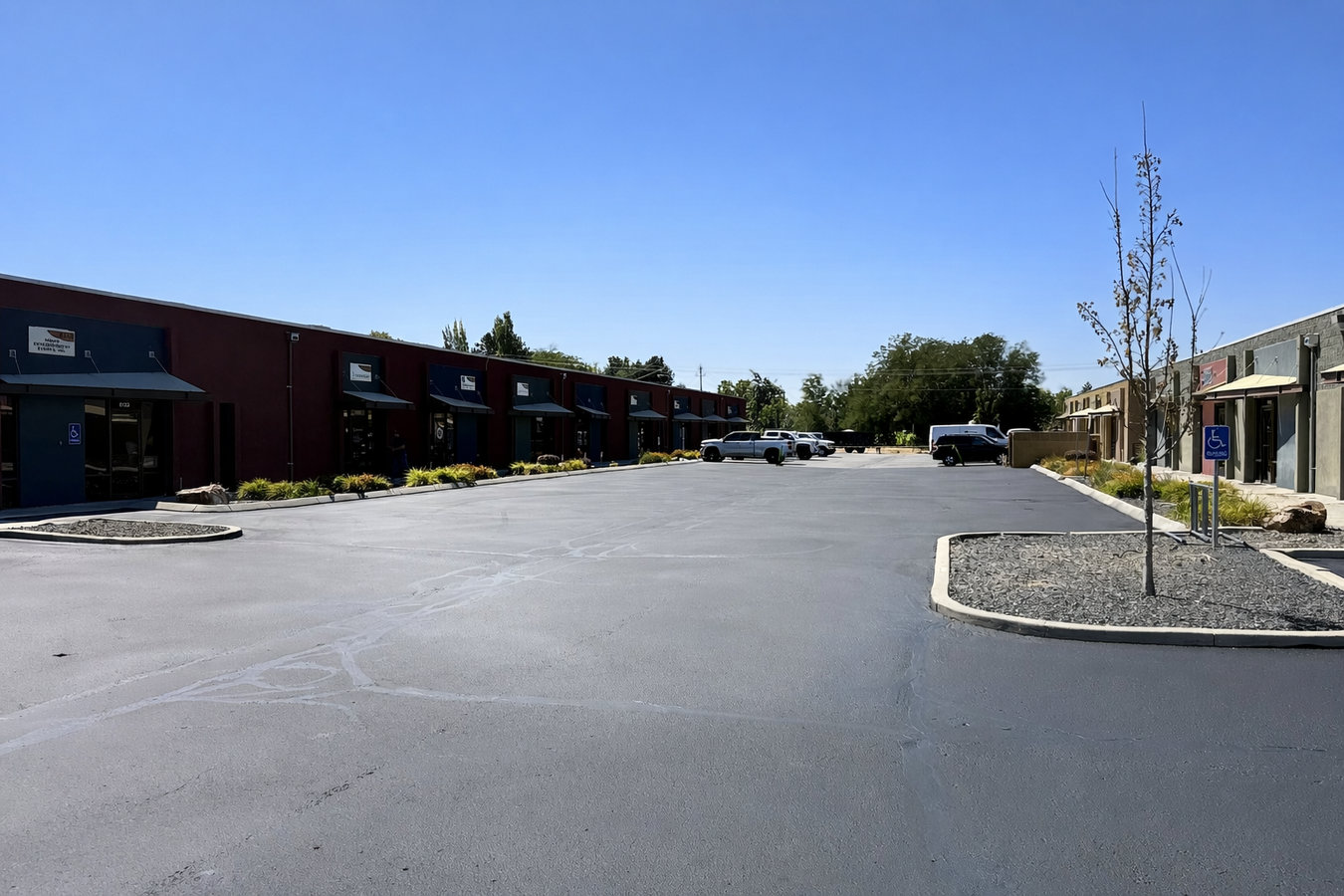
Rockford has a large inventory of commercial and multi-family properties with aging asphalt lots that have been patched repeatedly and are now past their useful life. A properly built concrete replacement starts with excavating the old surface, laying a compacted gravel base designed for Rockford's clay soil conditions, and pouring with adequate thickness and control joints. Our concrete parking lot building process accounts for northern Illinois frost depths and drainage grading from the design phase, so water moves off the surface rather than pooling against your building.
Rockford has large stretches of ranch-style homes built in the 1950s, 1960s, and 1970s with original concrete driveways now 40 to 60 years old. These driveways have been through decades of northern Illinois freeze-thaw cycles and are showing the signs: surface scaling from road salt, cracks that widen every spring, and sections that have heaved out of level. On clay soil, replacement with proper base preparation is the only long-term fix - patching a failed base does not hold.
Rockford homeowners adding garages, workshops, or home additions need a slab built for northern Illinois frost depths - up to 40 inches in a hard winter. The clay-heavy glacial soil under much of Rockford also requires careful base preparation because clay expands when wet and contracts when dry, putting movement pressure on any concrete sitting above it. A slab foundation built without accounting for these conditions will heave and crack sooner than one designed for the actual site conditions.
Rockford's older in-town neighborhoods - the brick bungalow blocks on the east side and the two-story foursquares near downtown - have original sidewalks that have been through 80 or more Illinois winters. Heaved sections, cracked panels, and crumbling edges are common in these neighborhoods. Replacement sidewalk built with adequate base depth and properly spaced control joints resists the heaving that makes older walks dangerous and a liability for homeowners.
The brick bungalows and American Foursquare homes that line Rockford's east-side neighborhoods commonly have original front entry steps from the 1920s and 1930s. Decades of northern Illinois winters have left many of those original steps crumbling at the edges or pulling away from the house. Replacement steps with a properly placed footing and a sealed finish last far longer than patching original concrete that has already lost its structural integrity.
Rockford is the third-largest city in Illinois, with about 148,000 residents and a housing stock that reflects its manufacturing history. A large share of Rockford homes were built before World War II - brick bungalows, American Foursquares, and two-story frame houses that have been through decades of northern Illinois winters. These homes commonly have original concrete driveways, foundations, and walkways that are 60 to 80 years old. They have been repaired and patched multiple times, and many have reached the point where the base underneath has shifted enough that patching no longer holds. The Rock River divides the city between its east and west sides, and the neighborhoods on both sides have distinct housing character and age - something a contractor working in Rockford learns quickly.
Two conditions shape nearly every concrete project in Rockford. First, the area sits on clay-heavy glacial soils left behind by the last ice age. Clay expands when wet and contracts when dry, which puts movement pressure on any slab or foundation sitting above it. Near the Rock River, lower-lying areas also deal with high water tables and periodic flooding that keeps soil saturated longer than inland lots. Second, northern Illinois frost depths can reach 40 inches in a hard winter, and freeze-thaw cycles from November through March stress every concrete surface that was not built with adequate base preparation and drainage. These are not generic cold-climate concerns - they are specific to Rockford and require a contractor who has dealt with them firsthand.
We pull building permits through the City of Rockford Building and Development Department for parking lots, driveways, foundations, and other structural concrete that requires city review. Rockford is a city of long-term residents - many homeowners have lived in the same house for 20 or 30 years and have accumulated a list of deferred maintenance that eventually gets addressed. That means a contractor working in Rockford regularly encounters pre-war construction, original clay tile drainage, older foundation materials, and the site-specific challenges that come with a property that has not been touched in decades. We have worked on homes on both sides of the Rock River, from the east-side brick bungalow blocks near Anderson Japanese Gardens to the ranch neighborhoods on the north side, and from older two-flats near downtown to newer subdivisions along the Loves Park border.
Rockford's layout is straightforward to navigate once you know it: the Rock River runs north to south through the middle of the city, State Street and East State Street are the main east-west corridors, and the Midtown area and Auburn Street neighborhoods are where much of the older residential stock concentrates. We are familiar with the city's permit office and the typical project timelines for residential and small commercial work in this area.
We also serve Iowa City, IA to the west, where a similar mix of older and newer housing creates steady concrete work, and Madison, WI to the north, another larger Midwest city with comparable freeze-thaw conditions and a mix of older urban and newer suburban properties.
Reach out by phone or through the contact form online. We respond within one business day to discuss your project and schedule an in-person visit. Rockford properties vary significantly by neighborhood, soil type, and age of construction - we need to see the site before giving you a reliable estimate.
We visit your Rockford property, evaluate the soil conditions, existing surface, drainage patterns, and site access, and provide a written estimate covering the full scope of work. Cost anxiety is common - we address it at this visit by being specific about what the work involves and what the number reflects.
We handle the City of Rockford permit process for parking lots, driveways, foundations, and any concrete work that requires city approval. You get a confirmed start date with a realistic project window built around Illinois's construction season. We do not begin work before the permit is issued.
Our crew finishes the project and walks the completed work with you before leaving. Forms are removed, debris hauled away, and we explain the curing timeline and maintenance schedule before we pack up. You will know exactly when it is safe to drive on or use the new surface.
We serve Rockford and the surrounding Winnebago County area. Written estimates, permits handled, and no work begins until you have approved the scope in writing.
(563) 291-2852Rockford is located in northern Illinois, about 90 miles northwest of Chicago, and sits along the Rock River that divides the city into its east and west sides. With a population of roughly 148,000, it is the third-largest city in Illinois and has a long history tied to manufacturing - tools, furniture, and aerospace components have all been major industries here. That history shaped the residential neighborhoods, which were built in waves: pre-war bungalows and foursquares closer to downtown and along the older commercial corridors, post-war ranch homes filling the outer neighborhoods from the 1950s through the 1970s, and newer subdivisions on the city's far north and east edges. The Rockford Wikipedia article gives a solid overview of the city's history and neighborhoods.
The east side of Rockford - the neighborhoods between the Rock River and the eastern suburbs like Loves Park and Machesney Park - tends to have more established residential blocks with older single-family homes. The west side mixes commercial corridors with residential areas and has a higher concentration of rental properties and multi-family buildings near downtown. Anderson Japanese Gardens on the north side is one of Rockford's most recognized destinations, drawing visitors from across the region. The Rockford City Market downtown is a Friday evening gathering point that draws thousands of residents during the warmer months - it gives you a sense of the community character that makes Rockford distinct from other mid-sized Illinois cities. We also serve Iowa City and other communities in the region.
Durable concrete driveways designed for lasting performance and curb appeal.
Learn moreDecorative stamped finishes that mimic stone, brick, or tile at a fraction of the cost.
Learn moreSafe, level concrete sidewalks for residential and commercial properties.
Learn moreSmooth, reinforced garage floor slabs built to handle heavy loads and daily use.
Learn moreArtistic concrete finishes that add beauty and character to any surface.
Learn moreStructural concrete retaining walls that control erosion and grade changes.
Learn moreProfessional interior concrete floor pours for homes, shops, and warehouses.
Learn moreSolid concrete steps and stoops built to code for safe entry and exit.
Learn moreEngineered concrete slab foundations for new construction projects.
Learn moreComplete foundation installation services for residential and commercial builds.
Learn moreHeavy-duty concrete parking lots built for high traffic and long-term use.
Learn moreFoundation raising and leveling services to correct settling and structural issues.
Learn morePrecise concrete cutting for repairs, modifications, and new utility access.
Learn moreWe serve Rockford and the surrounding Winnebago County area. Call us or fill out the form and we will get back to you within one business day.